
Dianping is a Chinese review app for restaurants, hotels and local services, founded in Shanghai in 2003. Users read ratings, photos and menus before choosing where to eat, stay or relax, then book or buy a deal in the app. For restaurants, hotels and shops in China, it is a visibility channel where reputation brings customers.
From restaurant reviews to a local services portal
Dianping started with user-generated reviews that helped people choose restaurants based on what other diners had written. It then grew with the mobile internet:
- More categories: from dining to hotels, travel, movies, fitness, beauty, parenting and many other local services.
- Personalized recommendations: suggestions based on each user’s preferences, location and consumption habits.
- From choice to purchase: group-buying deals, reservations, food delivery and queue numbers, so that users go from reading a review to paying in the same app.
Dianping belongs to the same group as Meituan since their merger in 2015: Dianping is where people choose, Meituan where they order.
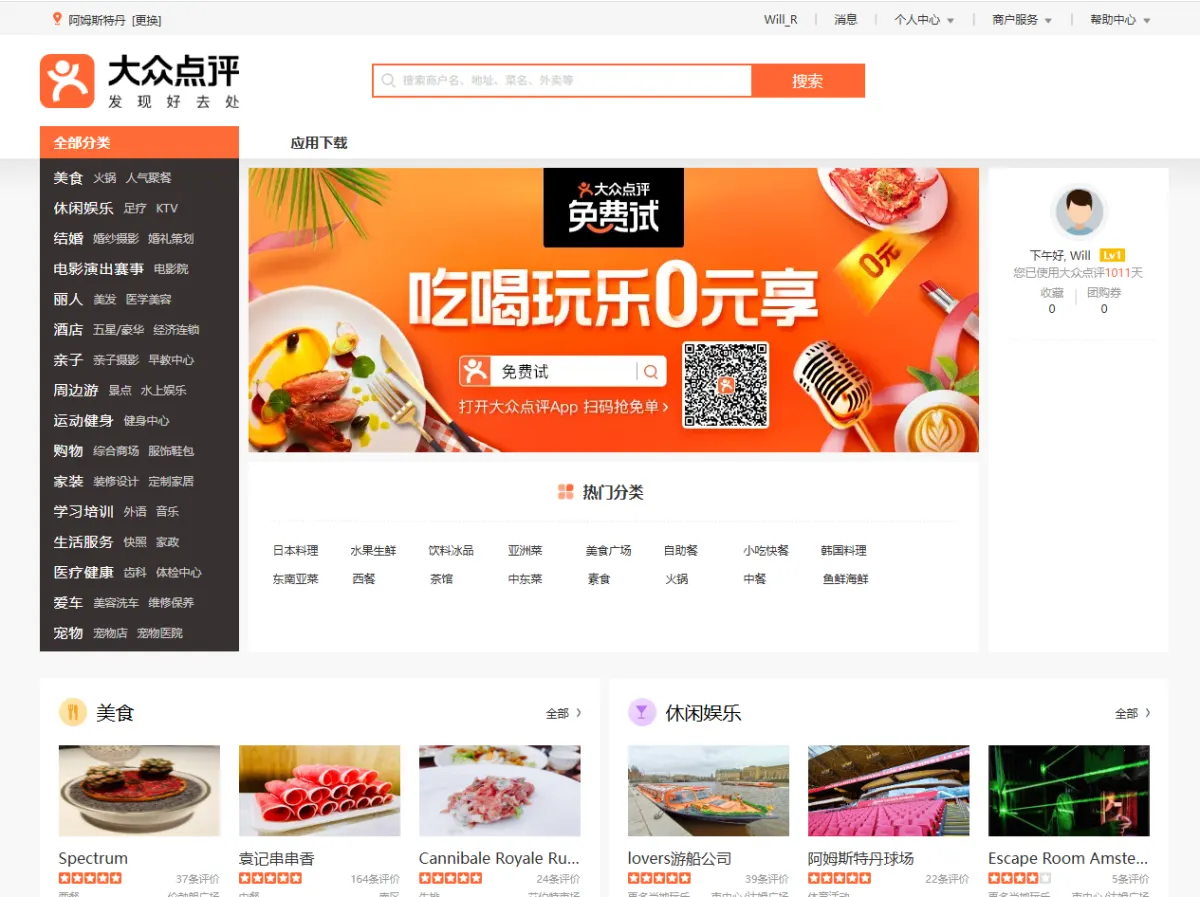
Why do consumers trust Dianping?
- Reviews from real customers: many users follow the reviews to pick a restaurant. The platform fights fake reviews with anti-fraud checks and a user credit system, and publishes its own selections, such as the “Must-Eat List”, the “Must-Stay List” and the “Black Pearl Restaurant Guide”.
- Relevant suggestions: recommendations depend on the user’s history, location and time of day, for example a nearby café on a weekend afternoon or the waiting time at a popular restaurant in the evening.
- Everything in one place: menus, table booking, group-buying vouchers, online queuing, invoices and complaints are handled in a few taps. During the COVID-19 pandemic, contactless ordering and takeout pickup made these digital services even more useful.
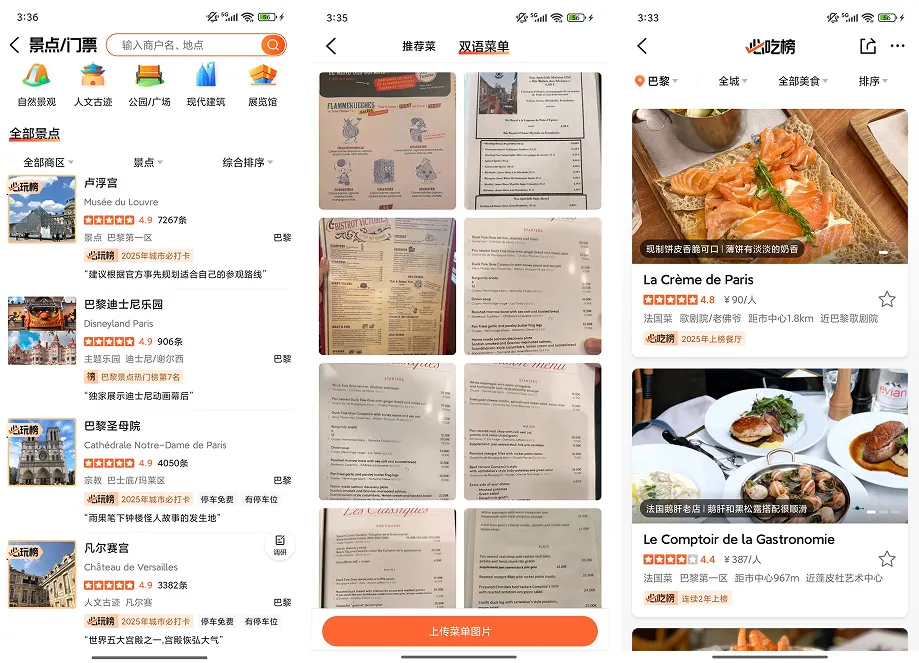
Dianping also lists restaurants and attractions abroad, with ratings, rankings and even bilingual menus, for Chinese tourists traveling overseas. Expats in China use it alongside the other apps of our guide to the best apps for Shanghai.
What can a restaurant, hotel or shop do on Dianping?
For a business with customers in China, Dianping is a channel to win customers and manage its reputation:
- Visibility: search rankings, featured placements and promotions reach the people looking for a place nearby.
- Reputation: good reviews and a place in the platform’s lists raise visibility, which brings more customers and more reviews.
- Data: merchants see who their customers are and how they spend, to adjust menus, prices and campaigns.
- Loyalty: memberships and free trial offers help turn first visits into regular customers.
Dianping works best as one part of local marketing: the reviews bring a first visit, and a WeChat Official Account or Mini Program keeps the customer in touch with the brand afterwards. This is where a WeChat agency in Shanghai comes in.
How QPSoftware can help
Restaurants, hotels and retail brands in China combine their Dianping presence with their own channels on WeChat: an Official Account for news and offers, a Mini Program for bookings, memberships and orders. QPSoftware is a WeChat agency that builds for foreign brands, from the account setup to the Mini Program and its connection to your systems.
Frequently Asked Questions
Can a foreign restaurant or hotel be listed on Dianping?
Dianping lists businesses that operate in China, whoever owns them, so a foreign brand’s restaurant, hotel or shop in China can have its page. Dianping also lists places abroad for Chinese tourists, such as restaurants and attractions in Paris. The conditions to claim a listing and buy promotions depend on the business and its location: check them with Dianping’s merchant service before you start.
Is Dianping available in English?
The Dianping app is designed for Chinese users and works in Chinese. Foreigners in China still use it to find restaurants, thanks to the photos, ratings and rankings, often with a translation app. Some listings abroad show bilingual menus for Chinese tourists, but the interface itself stays in Chinese.
How does Dianping differ from Meituan?
Dianping and Meituan belong to the same group since their merger in 2015. Dianping focuses on discovery: reviews, ratings, rankings and recommendations of restaurants, hotels and local services. Meituan focuses on transactions: food delivery, groceries, hotel bookings, tickets and rides. Consumers often read reviews on Dianping, then order or pay on Meituan.