
E-commerce Design

By using the core business model, we create a quality user interface (UI) and user experience (UX) designs that combine your business goals with the needs of your clients to optimize the conversion rate.


FROM DISCOVERY TO PURCHASING DECISION
We specialize in omnichannel E-commerce solutions to expand your business in China, or in the international market.
QPSoftware is an e-commerce agency in China, founded in 2009 and based in Shanghai. We design and develop online stores, WeChat stores and Chinese payment integrations for international brands that sell to Chinese consumers, and for companies already established in China. More than 200 projects later, our references include the localized Magento store of Lucrin Geneva, with Alipay, UnionPay and WeChat Pay.
Our multilingual team works from discovery to the purchasing decision: the design of the store, its development, payment in China and the systems behind it.
You do not need a company in China to reach Chinese consumers online. Under China’s cross-border e-commerce model, foreign companies sell without local registration, and products sold this way are tariff-free within the limits set for individual buyers: RMB 5,000 per order and RMB 26,000 per year, as the U.S. International Trade Administration explains.
For Ma France, a cross-border marketplace of French products, we built a WeChat Mini Program connected to the GoAllPay platform: payments made from the WeChat wallet are transferred to Ma France’s bank account in France. Our comprehensive guide to cross-border e-commerce in China covers the marketplaces, customs clearance and logistics options.
China is a large online market with its own platforms and rules. In 2025, online retail sales of physical goods reached 13.09 trillion yuan, or 26.1% of total retail sales of consumer goods, according to the National Bureau of Statistics of China. These points shape every project:
Before you start, read how to start an e-commerce business in China, from market research to payment, shipping and regulations.
We develop on Magento, on PrestaShop as a PrestaShop Partner Agency, and on WordPress with WooCommerce. Our comparison of Magento, Drupal and PrestaShop explains the differences. Some of the stores we built:
We work in short iterations following our agile methodology, with a Scrum Alliance certified Scrum Master, so you review the store at each stage.
By using the core business model, we create a quality user interface (UI) and user experience (UX) designs that combine your business goals with the needs of your clients to optimize the conversion rate.

We listen to your marketing goals in order to develop and SEO optimize the perfect E-commerce platform for your business and your audience.

We create E-commerce platforms that enable you to sell your products in China from your home country. We adapt your E-commerce platform while respecting the needs of the Chinese market.
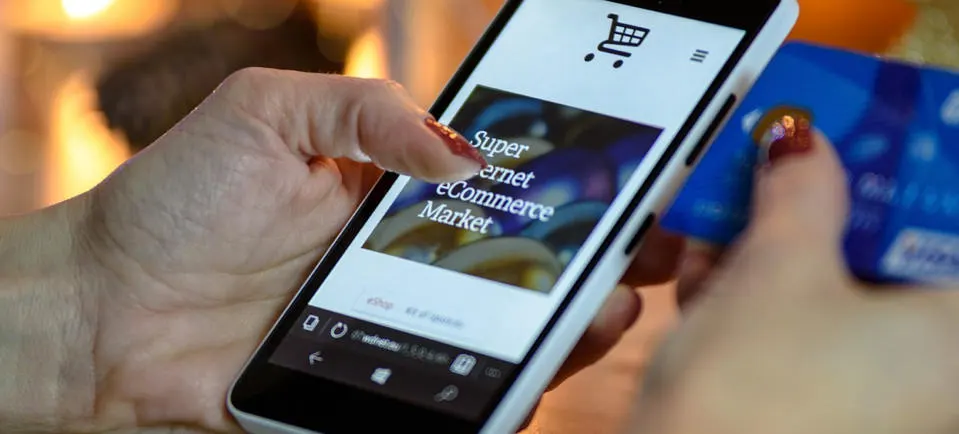
We design and develop E-commerce solutions on WeChat called a WeChat Store. This sells your products with seamless omnichannel customer experience.
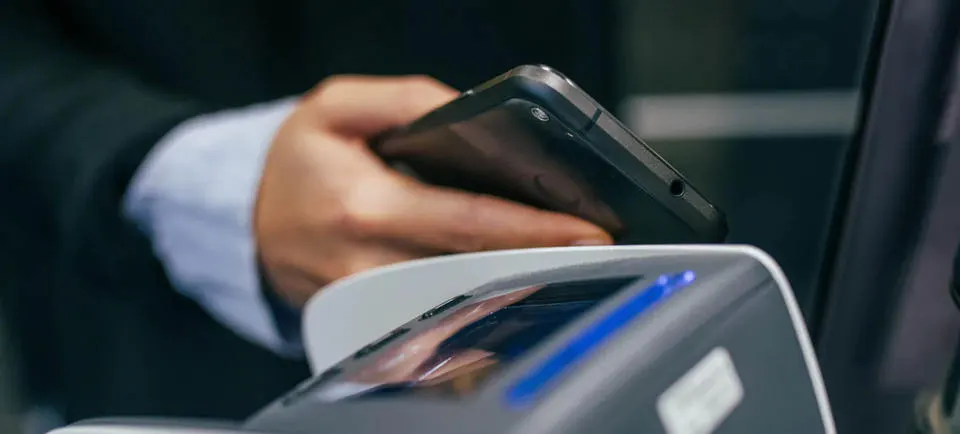
China has its own payment systems (Alipay, WeChat Pay, UnionPay, etc.) that we can help you to integrate in an efficient and transparent way.
We help your company to integrate its processes and tools (CRM, ERP, WMS, logistics, etc.) in a secure and fast way. Our team is also specialized in the integration of Chinese APIs.
It depends on your business plan, your catalog, the systems you already use and where your customers buy: on a website, inside WeChat, or both. QPSoftware works with Magento, PrestaShop, WordPress with WooCommerce, and WeChat Mini Programs. During scoping, we compare the options against your integrations, your budget and your growth plans, then recommend the platform that fits your business goals and your customers.
Yes, through cross-border e-commerce. Your company sells under its own entity, Chinese customers pay in RMB with WeChat Pay or Alipay, and the payment provider settles you in your own currency. Individual buyers are limited to RMB 5,000 per order and RMB 26,000 per year, and China publishes an official list of goods that can be imported this way. Products ship from abroad or from bonded warehouses in pilot zones.
Marketplaces such as Tmall Global and JD Worldwide give you access to their shoppers, but each sets its own rules and requirements, which are easier to meet for brands already successful in other markets. Your own website or WeChat store gives you control over design, customer data and promotions. The two can work together: Erno Laszlo, for example, runs a China brand website connected to its Tmall store.
The cost depends on the scope: the number of pages and product types, custom design, the payment methods, integrations with your ERP, CRM or logistics systems, the channels to cover (website, WeChat, app), content localization and hosting. We give a quote after scoping. A first version can go live with the essential features, and later phases add the rest.
China has its own banking and payment systems. To reach Chinese customers in a fast and secure way, your store should accept the most popular methods: Alipay, WeChat Pay and UnionPay. Each one needs its own integration, with different APIs for websites, mobile browsers and apps. Foreign merchants can accept WeChat Pay and Alipay through cross-border payment and be settled in their own currency.


