
How to Start an E-Commerce Business in China: A Step-by-Step Guide
Updated on |By QPSoftware
To start an e-commerce business in China, first check that Chinese buyers want your product. Then choose a legal route (a local company or cross-border selling), decide where to host and sell, adapt your brand and marketing to WeChat and Baidu, accept Alipay and WeChat Pay, and track your results from launch.
Key takeaways
- Validate demand with real Chinese buyers before you build: marketplace reviews, the WeChat Index and the Baidu Index give the first signals.
- China’s E-Commerce Law, in force since January 1, 2019, requires online sellers to register their business and display their license information on their homepage, with a few exceptions.
- A store hosted in mainland China needs an ICP Filing. Hosting outside the mainland avoids it, but pages load more slowly for Chinese visitors.
- Plan Alipay and WeChat Pay from the start: they are the payment methods Chinese shoppers expect.
- Measure from day one to see which channels and offers convert.
Starting an online store is a serious business project that takes preparation, careful planning and the right web solutions. In China, you also have to deal with different buying habits and specific rules.
The eight steps below apply to any new e-commerce project, with the extra actions the Chinese market requires. When you are ready to build, our e-commerce team in Shanghai designs and develops online stores for Chinese shoppers, from cross-border websites to WeChat stores.

Step 1: Check That Chinese Buyers Want Your Product
There are two main scenarios when opening an online store in China. Either you already run an established e-commerce business in Western markets and want to expand to China, or you want to launch a new store only for the Chinese market.
Whatever the case, never assume that your product or service will be welcome in China. Evaluate your idea in the light of the Chinese market first. This step decides whether your project can take off in China or will have to stop early.
A product that has been very successful in Western markets can still flop in China. The risk is even higher if you are launching a brand new product or service.
Chinese consumers have different needs and different buying behaviors. Before you spend a single dollar on development, test your idea with your prospective market and check whether potential customers are waiting for your product or service. Ask yourself these questions:
- What are my customers’ needs?
- How does my product address them?
- Is there a gap in the market?
Online research and Chinese social media give useful input, but the best way through this step is to interview real potential customers and listen carefully to their reactions. This is harder if you are not located in China. The step is critical enough to set aside part of your budget for a reputable local market research company that can run the interviews for you: it lays a solid foundation for the rest of the project.

Step 2: Research Your Market and Competitors in China
If the first step shows that you may have a niche in China, go ahead with thorough market research to determine:
- Who is your typical customer (age, gender, family status, annual income and so on)?
- How big is your market?
- Who are your competitors?
The more accurate this information, the better your chances of building an online store that really works in China.
Hold back from developing your sales platform at this stage: only the completed research tells you which direction to take. For instance, the information collected shapes the e-commerce web design for China that suits your buyers, the way you organize your content, the tone of your marketing material and how you stand out from competitors.
How to Do Market Research in China
In China, you cannot use the same market research tools as in Western markets, since many of them are blocked or do not exist there. Google, Facebook, Instagram, X (formerly Twitter), YouTube and many other applications are blocked in mainland China. Local tools, however, return valuable information.
To learn about your competitors, explore the main marketplaces in China, such as Alibaba’s Taobao and Tmall, and JD.com.
Spend time on these platforms to understand what your competitors offer and, most important, read customer reviews. They show how to differentiate your offer and possibly fill an important gap in the market.
Are people complaining about specific features, or asking for new ones? These clues tell you how to adapt your products or services to the real needs of the market and make them better than your competitors’.
WeChat is the most popular social media platform in China and a good place to understand trends. It shows what people are interested in and, most importantly, whether they are talking about your product. What you find on WeChat is a good indicator of how popular your product or brand is in China.
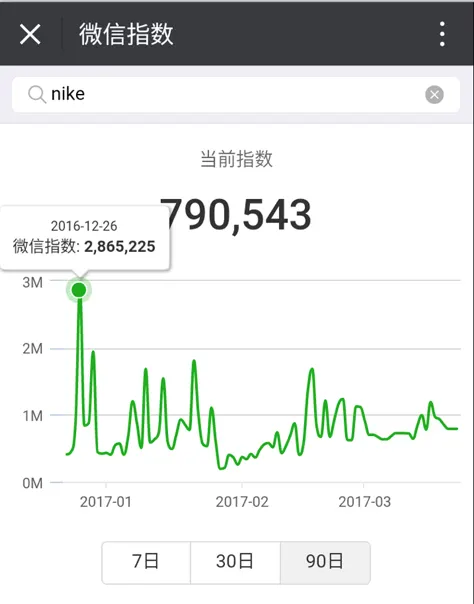
WeChat offers a WeChat Index tool that shows how popular a keyword is, based on search trends and on where the keyword appears on WeChat. To open it, type “微信指数” in the WeChat search bar.
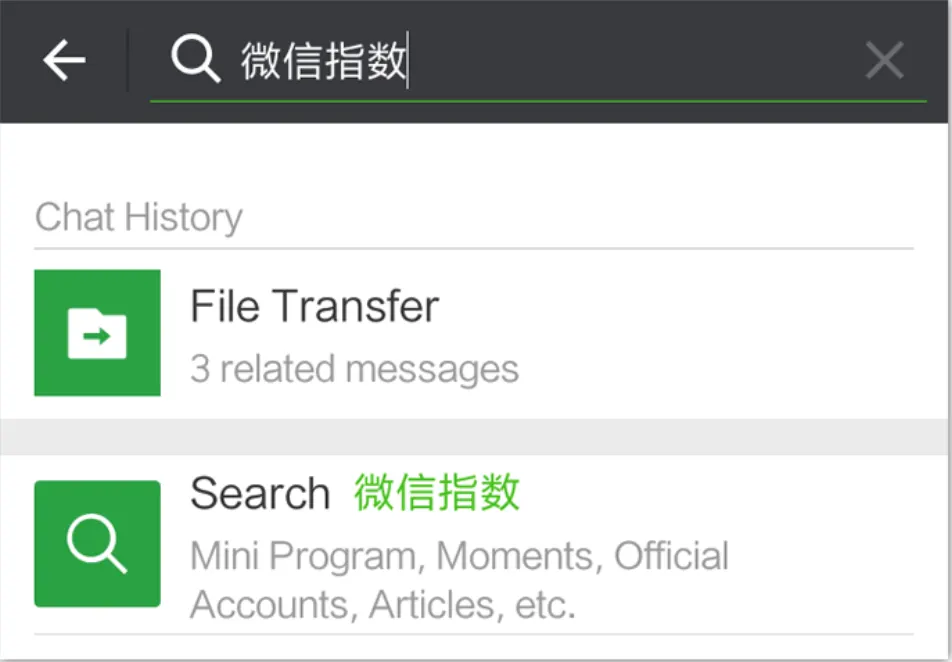
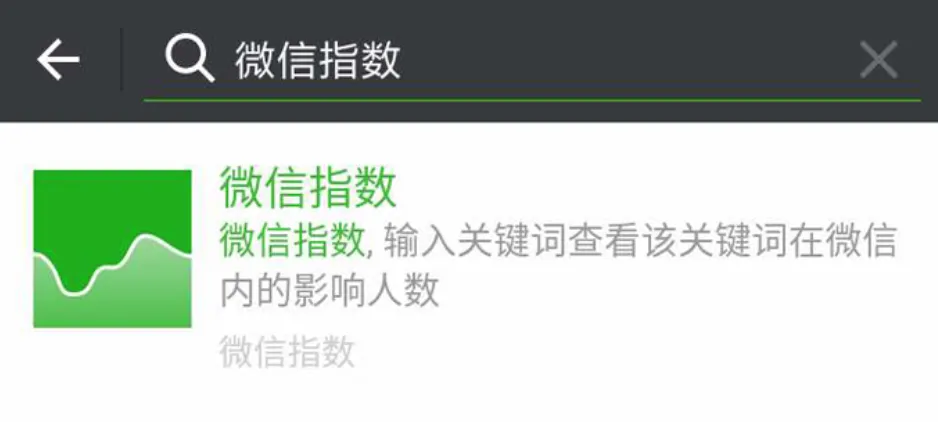
The first result is the WeChat Index. From there, type your keyword and the tool returns the relevant information.
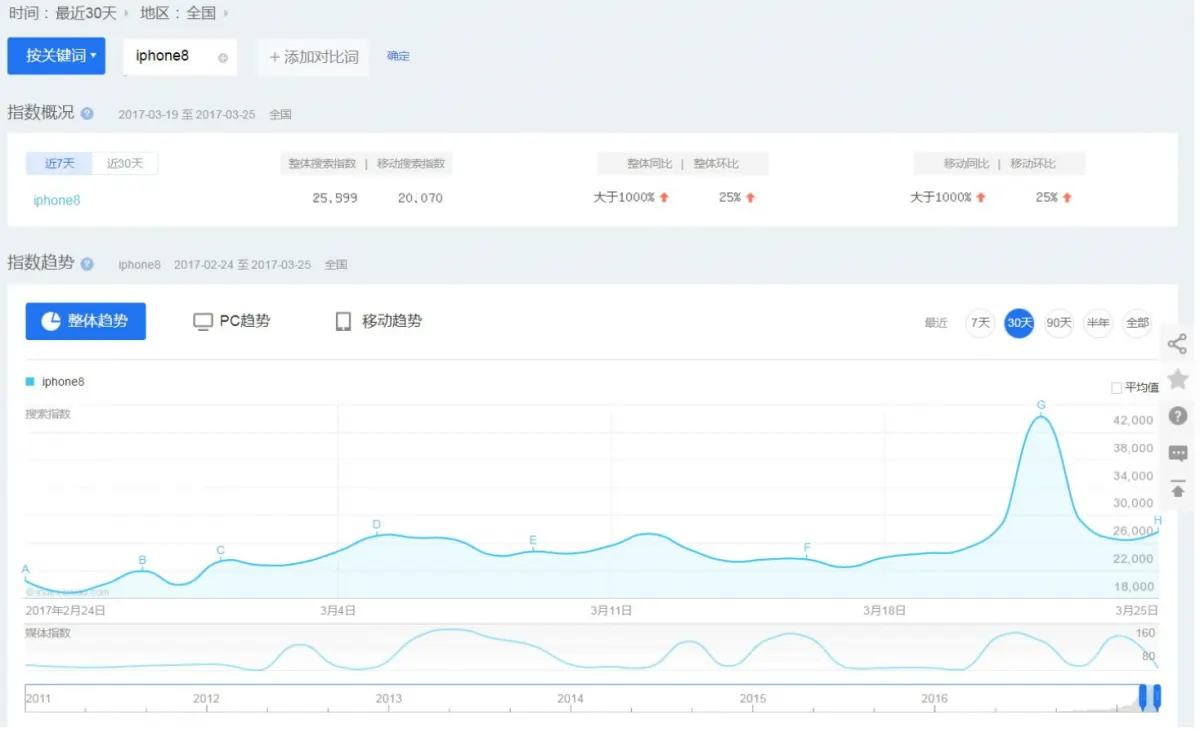
Always cross-check WeChat results with Baidu trends. Baidu, the most popular search engine in China, offers a keyword tool called Baidu Index (百度指数). Its interface is only in Chinese.
Other tools that can complete your market research are Weibo Index and Qihoo Index. Keep in mind that many of these tools are only in Chinese, and some of them require an account that is only possible to open if you reside in China.
Unless you read Chinese or live in China, the best advice is to get support from a web agency in China like QPSoftware, which can assist you and advise on your market research.
Step 3: Meet China’s E-Commerce Regulations and Requirements
Now that you know your target market and customers, there is another essential factor that is specific to China: the rules for selling online.
Business Registration Under the E-Commerce Law
China’s Electronic Commerce Law, in force since January 1, 2019, applies to the sale of goods and services online in China. It requires e-commerce operators to complete business registration, with a few exceptions such as occasional low-value sales (Article 10), to obtain the administrative permits their business requires (Article 12) and to display their business license information at a prominent place on their homepage (Article 15). Sellers who do cross-border e-commerce must also comply with China’s import and export rules (Article 26).
ICP Filing for Your E-Commerce Website
Every website hosted on servers in mainland China needs an ICP Filing, recorded with the Ministry of Industry and Information Technology (MIIT). Most foreign-owned companies (WFOEs) that sell their own products only need this filing. A Commercial ICP License concerns businesses whose core model is paid online services, and an EDI License concerns marketplaces that host third-party sellers. Our guide explains what an ICP license is and who needs it.
Do You Need a Company in China?
There is no single answer, because there are several ways to do business in China. If China is a primary market for your business, a local company gives you full freedom of operation. If you prefer to test the market first, cross-border e-commerce lets you sell to China without a Chinese entity, through a cross-border website or a platform such as Tmall Global or JD Worldwide.
Our articles on the legal requirements for selling online in China and on whether you need a company in China to sell online go into more detail.
Complying with local laws is essential, since a non-compliant store can be shut down. Local specialized support makes the process faster, improves your chances of obtaining the mandatory documents, and gives you the peace of mind that you comply with local regulations.

Step 4: Decide Where to Host Your E-Commerce Website
Where you host your online store is a critical decision.
Foreign websites reach Chinese users through the filtering system known as the Great Firewall of China, which makes them slower than websites hosted inside the country. Even a store hosted in a neighboring location such as Hong Kong will not perform like a website hosted in mainland China. Slower pages hurt the user experience and can reduce revenue.
Hosting outside mainland China is a valid option: it avoids the ICP Filing and still lets you reach Chinese buyers. If China is your primary target market, though, hosting inside the country gives your users a faster experience and makes your store more trustworthy.
To host your website in China, you need an ICP Filing, as explained in step 3.
Step 5: Choose Your E-Commerce Platform in China
The size of your company and your budget will mostly drive this decision. There are three main routes, and many brands combine them.
- Marketplaces. Taobao, Tmall, JD.com and Pinduoduo bring a large built-in audience, but you follow their rules, their design options and their fees.
- Your own website. A local web agency can create a store highly customized for the Chinese market through China e-commerce development. This gives your brand a unique presence, with a longer development process and a higher overall cost. Open source platforms such as Magento, PrestaShop or Drupal offer professional e-commerce features that can be customized to your brand, at a lower cost to build and maintain. Our comparison of Magento, Drupal and PrestaShop for e-commerce helps you choose.
- WeChat. WeChat Mini Programs and WeChat stores let you sell inside the app your customers already use every day (see step 6).
Whatever your decision, a do-it-yourself approach rarely produces substantial results in China. Your e-commerce platform must reflect your branding, with content organized with Chinese consumers in mind.
Local web agencies that have worked in this market long enough know how to make a website appealing to Chinese users, which often means building it differently from what we see in Western markets. Their support may add to the cost of opening your store, and it is repaid by a better fit with Chinese web design habits.
Step 6: Build Your Marketing Strategy for China
Now it is time to bring as many customers as possible to your store. Your marketing strategy covers several areas.
Branding
If you are starting a new e-commerce business in China, you need a name and a logo that represent your company. They have to appeal to local customers and resonate with your target audience. Keep these goals in mind:

- Create a logo and name that appeal to the market segment you are targeting
- Make them easy to remember
- Make it clear what your store is about (there may be exceptions)
- Make sure they cannot be confused with other existing names or logos
- Confirm the meaning of your name in Chinese
If you already have a brand and logo, the task is easier: focus on growing their popularity in China, where popularity and word of mouth weigh heavily in buying decisions.
Define Your Unique Selling Proposition (USP)
A clear USP is what wins potential customers over. Use the information collected during your market research to write a simple message that gives customers a good reason to buy your products or services.
- Did you identify a need in the market? Explain how your product fills that specific need.
- Are similar products already on the market? Explain why yours is a better option.
- Are customers of similar products asking for additional features? Show prospective buyers what you have done to fill that gap.
A well crafted USP highlights the benefits for your customers and clearly sets you apart from your competitors. The Chinese market follows its own dynamics and culture, so local guidance helps you craft the right USP for your target audience.
Content and Messaging
Your marketing strategy starts with the content of your website.
As you present your products or services, always keep your audience in mind and write a message that appeals to their emotions. The way you organize your content may vary with the profile of your typical customers and where they live.
As a general rule, expect to spend time educating your audience. Products that are widespread in Western markets may be less common in China, or their features may not be well known, so add the explanations they need. Buying decisions are driven by different factors than in other parts of the world: identify these factors and use them as best you can.
Your marketing message does not always have to sell the product directly. It can focus on the idea or the lifestyle behind the product. Once you have defined your message, keep it consistent across all relevant platforms: website, social media and any others.
If you already run an online store in Western markets, you can use it as a marketing tool among Chinese communities living abroad. A product that becomes popular with them can also draw attention in China.
Use WeChat for Your Marketing Campaigns
WeChat is the most popular social media platform in China. Weixin and WeChat had 1,439 million combined monthly active users on June 30, 2026, according to Tencent’s results for the second quarter of 2026. The platform, owned by Tencent, offers several tools that give you a chance to reach a massive audience quickly.
Tools you may consider include WeChat Mini Programs and WeChat stores. They support marketing campaigns, games, loyalty programs and news, which are particularly effective in the Chinese market.
They do not replace your official e-commerce website, but they are a strong support channel to attract new customers, retain existing ones and even sell directly on WeChat.
SEO in China
Your store will never generate sales unless customers discover it. Reserve part of your budget for China SEO services for Baidu and Google.
Baidu is the leading search engine in China, and even though it is similar to Google in many ways, Baidu SEO differs from Google SEO on several points. For instance, Baidu puts considerable emphasis on the homepage, and fresh content matters more than extensive content. The same goes for several other factors that call for in-depth knowledge of Baidu if you want your SEO efforts to pay off.
Organize your content and SEO campaigns according to Baidu’s rules, with an SEO expert in China who follows its updates. After all, if your store does not show in the search results, it may seem that it does not exist.
Step 7: Accept the Payment Methods Chinese Shoppers Use

The conversion rate of your store depends heavily on giving customers a comfortable and easy way to finalize their purchases.
China pays online differently from the rest of the world. Where PayPal is popular in Western markets, Alipay and WeChat Pay get the lion’s share in China. The average Chinese consumer feels comfortable finalizing a purchase with them, so integrate Chinese payment methods into your e-commerce platform before launch.
WeChat Pay is especially important, since it lets potential customers buy and pay for your products without leaving WeChat. Given the massive audience of WeChat and the option of adding a WeChat store to your marketing strategy, it is a payment method you cannot miss.
Cross-border sellers can accept these payments too. For Ma France, a platform that sells French-made products to Chinese consumers, QPSoftware developed a WeChat Mini Program with a cross-border payment solution: payments made with WeChat Pay are transferred directly to the company’s bank account in France, and the store converts currencies automatically.
Step 8: Track Your Performance
All your efforts to build an effective e-commerce business in China are wasted if you do not track your business performance regularly.
Most e-commerce platforms include tracking tools, and your developer in China can connect your store to CRM and business intelligence solutions for deeper analysis. Google services are blocked in mainland China, so check that your analytics tool works for Chinese visitors: Baidu Tongji, Baidu’s own analytics service, is one option.
The data collected shows how your store performs in China and whether your marketing brings the expected results. Check and analyze it constantly to improve your store and adjust your marketing strategy.
What Should You Do Next?
Starting an e-commerce business takes a lot of planning, hard work and commitment, even more so in China, where local rules, different buying habits and the language barrier add to the challenge.
The Chinese market is large enough to reward the work when you do your homework diligently. With the right professional help, the process becomes smoother and the results come sooner.
Start with step 1: write down what you believe about your Chinese buyers and test it with real people. Then talk to an e-commerce agency in China before you choose your platform. QPSoftware is a digital agency founded in 2009, with an international team in Shanghai and more than 200 projects delivered. We design and develop online stores for Chinese shoppers, including cross-border stores, WeChat stores and Alipay and WeChat Pay integration. Contact us today and we will be glad to assist you.
Frequently Asked Questions
What are the legal requirements to start an e-commerce business in China?
Under the E-Commerce Law, in force since January 1, 2019, online sellers must complete business registration (with limited exceptions), hold any permit their activity requires and display their license information on their homepage. A store hosted in mainland China also needs an ICP Filing. Cross-border sellers must follow China’s import and export rules, and marketplaces add their own requirements for sellers.
Can a foreign company sell online in China without a Chinese company?
Yes. Cross-border e-commerce lets a foreign company sell to Chinese consumers from abroad, through its own cross-border website or through platforms such as Tmall Global and JD Worldwide. The seller still has to follow China’s import and export rules and the requirements of each platform. A local company becomes the better option when China turns into a primary market.
Which e-commerce platforms are used in China?
Chinese shoppers buy on marketplaces such as Taobao, Tmall, JD.com and Pinduoduo, and through social commerce on platforms such as WeChat, Douyin and Xiaohongshu. Brands can also sell on their own website, built on platforms such as Magento or PrestaShop, or through WeChat Mini Programs and WeChat stores. The right mix depends on your budget and on how much control you need over your brand.
Do you need to host an e-commerce website in China?
No, but it helps. A website hosted in mainland China needs an ICP Filing and loads faster for Chinese users, which improves their experience and their trust. A website hosted outside the mainland, in Hong Kong for instance, does not need an ICP Filing, but it loads more slowly in China. If China is your primary market, hosting inside the country is usually the better choice.