The Best Project Management Tools and Techniques for Success
Updated on |By QPSoftware
Project management tools and techniques are the methods and software a team uses to plan, organize and deliver a project. At QPSoftware, the core techniques are Scrum, which splits the work into short sprints, and the Core Model, which defines what users and the business need. Our tool selection includes Basecamp for client communication and Teamwork for internal tasks.
Managing a project is like directing an orchestra. A project may seem simple because it only involves two parties, your company and the client. The reality is more complicated: both your company and the client have teams working on the project, so you manage a group of skilled people with different capabilities, talents and ideas. As with an orchestra, getting them to work in unison is critical to a stunning result. Fail at that, and you end up in confusion.
Which Project Management Tools and Techniques Do We Use?
We run website development in China and e-commerce projects for companies from all around the globe, so we know how vital effective project management is. Plenty of tools can keep your work organized, save time and keep each task in check. But exploring every project management tool takes time and may distract you from your final goal. You may also spend time learning a tool, only to discover soon after that a more efficient option exists.
We have gone through these steps ourselves, and over the years we have selected the project management tools that help us tackle every project in the most productive way.
Below is what we use on a daily basis, with tips on how to use these tools successfully.
First, we need to mention two methodologies we use to approach projects. They are at the core of our work, and we have found them crucial to the quality of the final result. Master these methodologies, combine them with the right project management tools, and you get a highly productive team and highly satisfied clients.
Project Management Techniques: Scrum and the Core Model
Scrum Techniques
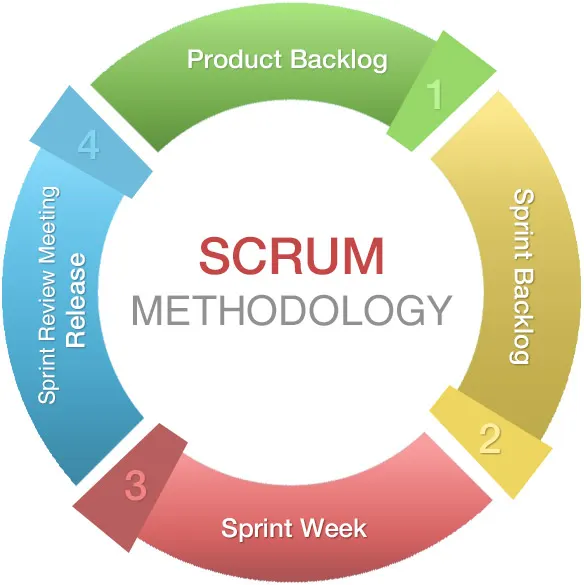
Scrum is a framework for handling web projects that relies on a self-managing, cross-functional team. The principle behind it is simple and powerful. Its main techniques, described in the Scrum Guide, are sprints of one month or less, a 15-minute Daily Scrum, and a Sprint Review and a Sprint Retrospective at the end of each sprint.
1. The importance of the Scrum Master
The Scrum Master makes sure team members do not over-commit themselves, and removes obstacles that could hinder the productivity of the team.
Even though each project has a Scrum Master, the Scrum Master is not a leader who decides and assigns tasks to the team or its members. The team itself evaluates the problem at hand and decides who is best qualified to handle a specific issue or task. The overall aim of Scrum is to have each team member work on the part of the project where they excel, while promoting cooperation and productive brainstorming within the team.
2. How to implement the Scrum methodology in your projects
How is the client involved in a Scrum project? A Scrum team has a deadline for every portion of the project, and at the end of each portion, it must deliver a usable version of the product. At every step, both the web agency and the client can test the product and check progress. This makes it easy to know whether the team is working in the right direction, and lets the client give feedback on any adjustments along the way.
3. Why the Scrum method is so effective
This methodology keeps the overall project in check and in line with the client’s expectations. The time to deliver the final product is significantly reduced, and the client is far less likely to be disappointed by the final result.
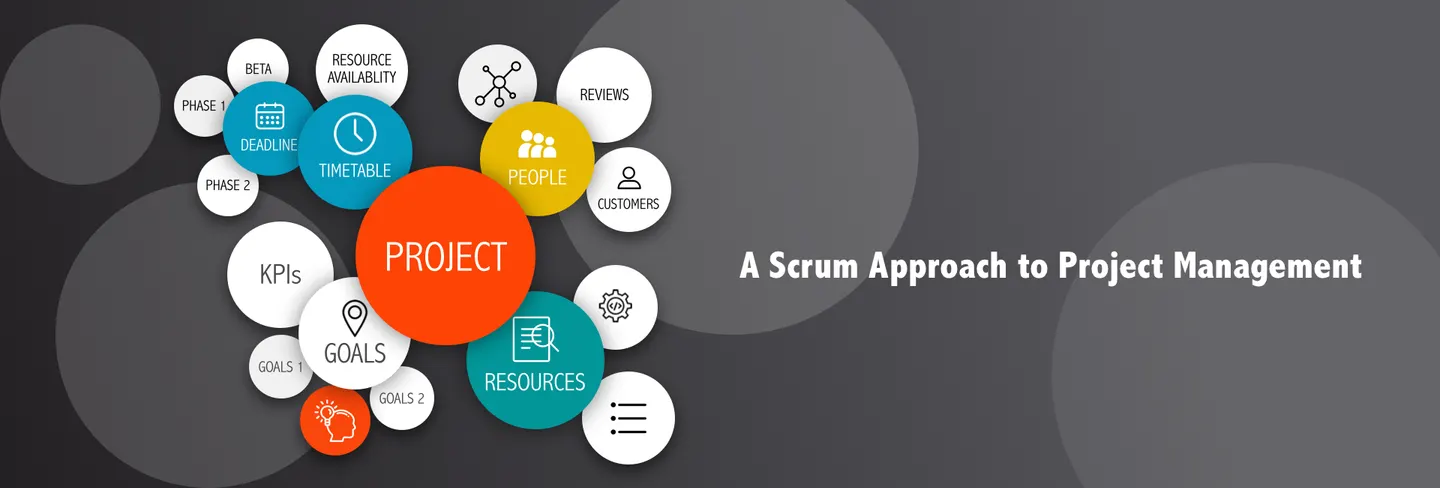
If you want to learn more about improving your productivity with the Scrum approach to project management, we wrote a guide based on our experience:
Core Model
The Core Model approach is a thinking tool that both the web agency and the client use to decide what direction the project should take.
How Does the Core Model Work?
The Core Model puts the end user at the center of the project, and designs the product for the user’s benefit. The team and the client determine why users come to the website, what they are looking for, what their needs are and how to satisfy them, what questions they have, and so on. These factors are defined with the overall business objective in mind.
Once this information has been collected and validated, the web solution is designed and developed around the core content that serves both objectives. This approach improves the UX, gives each visitor the specific information they are looking for, and helps the company grow its business with highly targeted content.
Project Management Tools: Our Selection
Basecamp
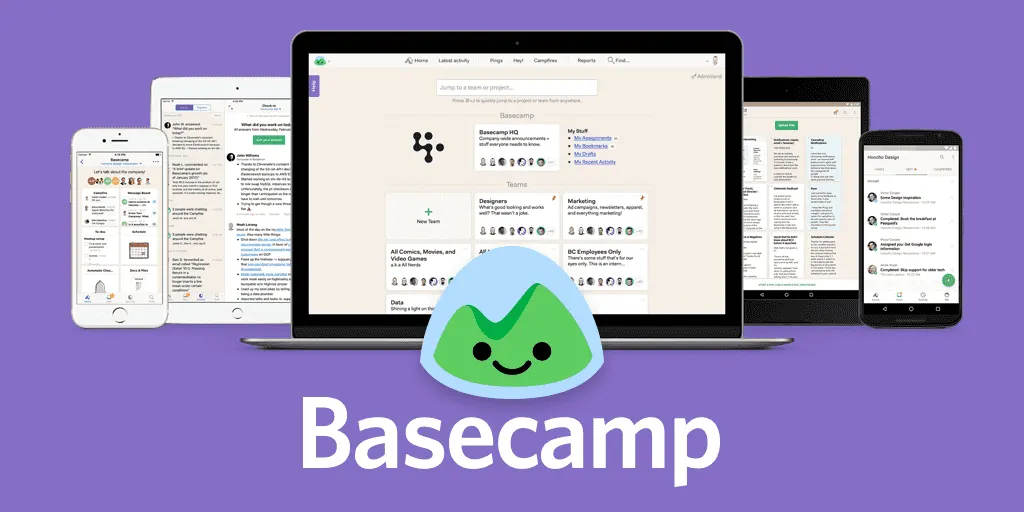
Basecamp solves a series of annoying problems, starting with a flooded email inbox. Communication is critical to managing a web project, but it can quickly get out of control.
1. How to use Basecamp effectively
When too many emails reach your inbox every day, it is easy to miss some of them or lose track of essential communications. Miscommunication is the best recipe for disaster, and this is where Basecamp helps.
2. The advantages of Basecamp
Basecamp keeps communication with your clients and team members well organized. You can give each client a Basecamp account to keep each project separate. In Basecamp, you can upload files, set deadlines, exchange messages, create documents and more. Everything sits in a single place, organized by client, so it is easy to understand what is going on in every project. Basecamp also sends a daily summary of activity, so you never miss a step.
Teamwork
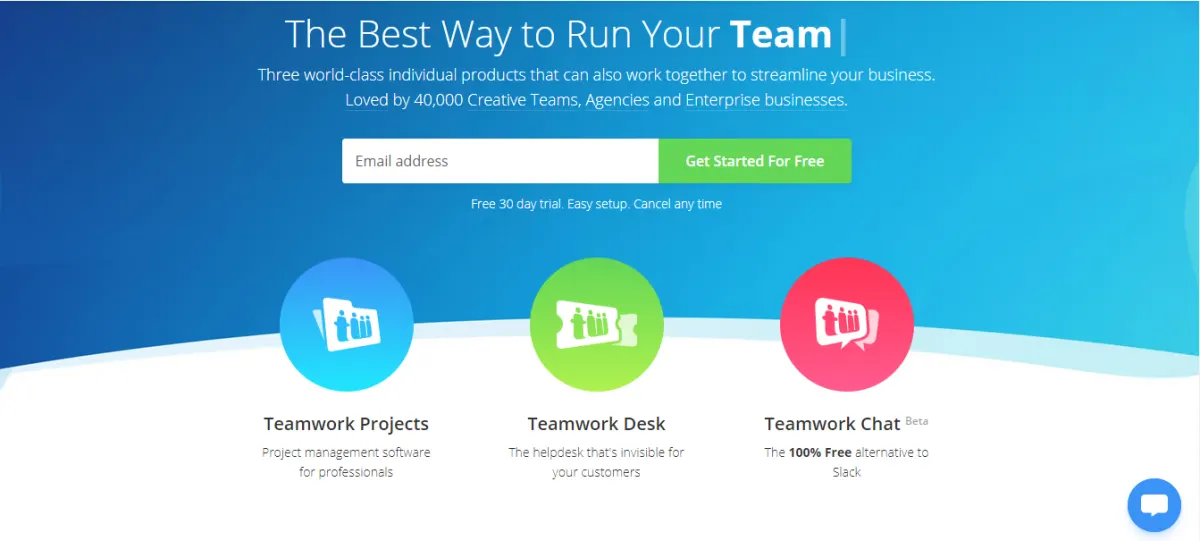
Teamwork is another essential tool. It encourages good communication and cooperation among the members of the web design team, rather than with the client.
How Teamwork can improve your project
The suite comes with features that help team members cooperate: setting milestones, sending and receiving updates, tracking the time spent on specific tasks, and more.
Once Teamwork is part of your project management toolbox, work flows smoothly, and each team member stays attuned to the overall project scope and on time with deadlines.
How to Choose the Right Project Management Tools and Techniques
Not every project is the same, and customer needs differ. You don’t have to use all of these tools and techniques on every project: pick the ones each project needs. There are plenty of other project management tools, and you may want to test some yourself. Those listed in this article are the ones we have personally found most effective, and that have helped us achieve the best results.
We work with customers worldwide, and our team is made up of international professionals, so good organization is pivotal. Whenever we design, develop and market a website on Drupal or WordPress, or build a PrestaShop or Magento e-commerce site, our goal is the same: understand our customers’ needs and turn them into a web solution that helps them grow their online business.
What Should You Do Next?
List what your project needs to manage: client communication, internal tasks, deadlines, feedback. Then choose a technique, such as Scrum sprints, and one or two tools that cover those needs without overlap.
If you are planning a new website, our custom website development team applies these tools and techniques, adapted to the size of each project, as described in our project methodology.
Frequently Asked Questions
What are project management tools and techniques?
Project management techniques are the methods a team follows to run a project, such as Scrum sprints or the Core Model. Project management tools are the software that supports those methods, such as Basecamp for communication or Teamwork for tasks, milestones and time tracking. Together, they help a team plan, organize and deliver a project on time.
What are the main Scrum techniques?
Scrum organizes work into sprints of one month or less. Each sprint starts with Sprint Planning, includes a 15-minute Daily Scrum for the Developers, and ends with a Sprint Review and a Sprint Retrospective. A Product Owner manages the product backlog, and a Scrum Master helps remove obstacles, so the team delivers a usable increment every sprint.
How do you choose the right project management tools?
Start from your project, not from the tool. List what you need to manage, such as client communication, internal tasks or time tracking, and pick tools that cover those needs. You do not need every tool on every project. Test a few, keep the ones your team actually uses, and combine them with a method such as Scrum.