
15 Mobile App Design Tips to Create a Great App
Updated on |By QPSoftware
The best app design tips come down to one idea: make the app effortless for the people who use it. Design responsive screens that follow App Store and Google Play rules, keep navigation simple, use readable fonts and strong contrast, make buttons big enough for thumbs, test with real users, and keep improving after launch.
Key takeaways
- Make the app display correctly on every screen, and follow the App Store and Google Play guidelines, or it will not reach the stores.
- Keep the interface simple and visual, with readable fonts, strong contrast and icons whose function is clear.
- Size controls for fingers, keep the back button visible, and use screen transitions so users always know what is happening.
- Test a prototype with real users before development, then keep iterating with in-app analytics after launch.
- Work with your back-end team on security from the start.
Mobile app development is a critical step for every online business. Mobile devices have become an extension of our body, and users keep looking for new apps that help them perform tasks quickly and easily. That should be the goal of every well-built mobile app.
However, creating an app is no guarantee of success. How many times have you downloaded an app, only to delete it right away in utter disappointment? That is what happens to thousands of mobile apps when their design fails to meet users’ expectations.
What is the secret to designing an outstanding mobile app? Visual appeal and an exceptional user experience are the goals of any mobile app UI/UX design. Your biggest challenge is to express your creativity within the technical guidelines at the core of successful mobile app development.
Here are 15 technical and visual tips to consider if you want your app to stand out.
15 App Design Tips You Should Never Miss
#1 Responsive Design Is King
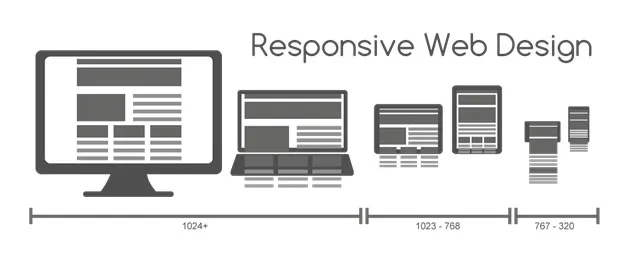
This point is self-explanatory, but too often overlooked. Users will never welcome your app if it does not display correctly on their device. Android and iOS devices take the largest share of the market, and they come in many screen sizes. You will give your app a good start if you make sure it displays correctly on as many devices as possible.
#2 Comply With App Store Standards
Apple’s App Store and Google Play set strict guidelines for the apps they publish. You can develop your own design, be creative and add functions, but the core requirements must be there. The stores review your app before publishing it, and if it breaks the rules, it will not make it to the store. Apple’s App Store Review Guidelines, for instance, expect “features, content, and UI that elevate it beyond a repackaged website”.
#3 Simple Is the Key
To keep it simple, many app designers go for a minimalist design. Creative minimalism is often easier for most people to digest than a complicated design that clutters the screen. Whatever solution you choose, make sure the app is highly intuitive. Do not force users to read instructions or waste time figuring out how to move around the app. Make your design and navigation so simple that users feel at home the moment they first open the app.

#4 Keep It Visual
Visual impact plays an essential role in the success of your app. The app needs to be functional and captivating at the same time. Find an attractive color scheme, but stick to your branding if you have one. On the other hand, do not kill the user experience with too many visual tricks and elements. Visual elements matter, but keep it simple (see tip #3). Designers build these visuals with dedicated tools, such as the ones in our selection of the best web design apps.
#5 Keep Users Central
Here is where many design projects fail. Designers try to be super creative and impress the client, but forget the end users. They are the ones who will actually use the app and judge it. If they do not find what they expect, your app will be out of business in no time. Before you start designing, do your homework: get to know the end users, their needs, their goals and the problems they face in reaching them. Understand what they want, and give it to them. Extra effort on this kind of insight gives your app a much better chance to succeed.
#6 Test Your Mobile App With Real Users
This tip follows from the previous one. Nothing gives you more clues than direct feedback from end users. If real users can test a prototype of your app at an early stage of the project, you will hold some gold nuggets. Their opinions will quickly tell you whether you are going in the right direction or need adjustments. You will be surprised at how much time and money you save, and your app will have a much better chance of success. Before release, mobile app testing on Chinese devices catches what a prototype cannot show, such as crashes or slow screens on the phones your users own.
#7 Use the Right Font
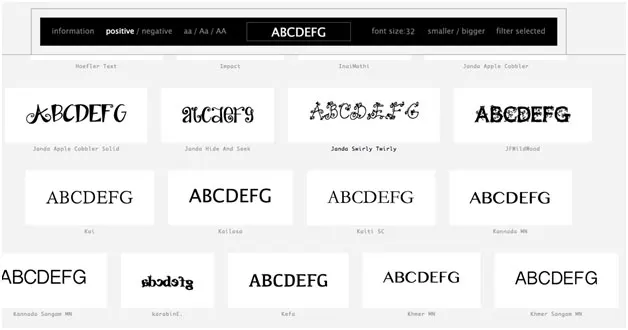
What good is your app if users can’t read its content? Wacky fonts are very good at irritating people: they may look nice, but they are hard to read. If users struggle to understand the content, they will abandon your app. Use fonts known to be easy on the eyes, and make them big enough to read.
#8 Contrast Helps Users
Contrast is another major factor: it improves readability and makes your app pleasant to look at. Make sure your content stands out and is visible to the user, for example with high-contrast colors for the text and the background, such as dark gray text on a white background. The more experience you have, the more color combinations you can create.
#9 Animation Between Screens
Nothing is more disorienting for users than not understanding what is going on in an app. If they interact with it and nothing seems to happen, they will assume the app is slow or not working at all. Give them peace of mind with discreet animations between screens whenever they tap a button or interact with the app. Animated transitions tell them that everything is fine and the app is doing its job, so they do not feel lost.
#10 Think About Your Icons
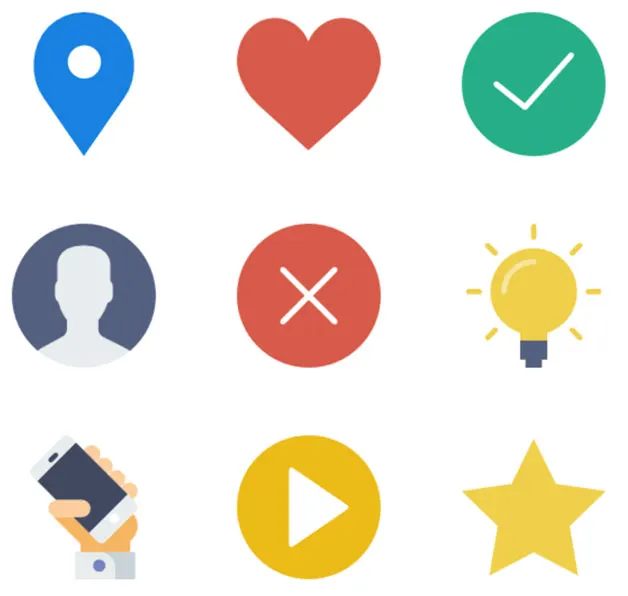
On the Internet, a few things have become standard, and icons are one of them. A set of icons is recognized worldwide for specific tasks. You do not always have to use these standard icons, even though it is often recommended. You may decide to redesign them, but if you go down this path, make sure the function of each icon is very clear to the end user.
#11 Are Your Controls Big Enough?
Accessibility is a critical factor in a comfortable user experience. App users do not use a mouse cursor: they use their fingers, and the thumb is the hero. A thumb, or any finger, is big compared to a cursor, so if your controls are not big enough and well spaced, users will often hit the wrong one. If you have ever opened the wrong page again and again, you know why this matters.
#12 The Back Button Is Important
Connected to accessibility is the placement of the back button. It is mainly an issue for iOS apps, but in any case, always keep the back button visible. It makes your app much easier to use: users can return to the previous content with a single tap. Hide the back button, and users will quickly get frustrated.

#13 High-Resolution Images
This one is almost a no-brainer. Most people today are used to high-resolution images, and anything less can seriously damage their opinion of your app. Besides using high-resolution images, make sure they are not distorted or badly formatted on different devices.
#14 Iterative Design Is Pivotal
We already introduced the principle of iteration with testing an app prototype before development. You can also use iterative design after the launch of your app, by adding in-app analytics of user behavior to learn how people use it. That information gives you invaluable insight into the adjustments and improvements that will better meet your audience’s needs.
#15 Pay Attention to Security
Security issues need your constant attention. Keep open communication with your back-end team, who is in a better position to prevent data breaches. If you want your app to serve users well, security needs constant monitoring.
What Should You Do Next?
Mobile app design is not for the faint-hearted. It is an exciting task, but launching a successful mobile app takes a lot of knowledge and expertise.
Use these 15 tips as a checklist: review your current design, or your brief, against each one, then test the result with real users before development starts.
QPSoftware, a digital agency in Shanghai founded in 2009, with more than 200 projects delivered, is also an app design agency with a team experienced in developing mobile apps. We have created mobile app solutions for several industries, and we have helped our customers grow their online business with an appealing user interface and a superb user experience.
Our strength is analyzing your business and your audience, to give you the right tool to reach your goal. We invite you to explore what QPSoftware can do to grow your business online: contact us today and tell us about your project.
Frequently Asked Questions
What makes a good app design?
A good app design is simple, visual and centered on the user. It displays correctly on every device, follows the App Store and Google Play guidelines, uses readable fonts and strong contrast, and has controls big enough for fingers. Clear icons, a visible back button and transitions between screens help users always know where they are and what the app is doing.
How do you design a mobile app?
Start with the end users: their needs, their goals and the problems they face. Then sketch a simple, intuitive interface that follows your branding and the platform guidelines, and turn it into a prototype. Test that prototype with real users, adjust the design, and keep iterating after launch with in-app analytics that show how people actually use the app.
How do you make a good app?
A good app solves a real problem quickly. Get to know your users before you design anything, keep the interface simple and fast, and test a prototype with real users to fix what they struggle with. After launch, measure how people use the app, improve the design step by step, and keep security under constant watch with your back-end team.