
Sensors Data (神策数据) is a Chinese user behavior analytics platform. It collects what users do in apps, websites, H5 pages and mini programs, then turns it into funnels, retention reports, user segments and A/B tests. Companies operating in China use Sensors Data to find where users drop off and which features they actually use.
Why user behavior analysis matters
Page views and daily active users say how many people came, not why they left. Behavior data answers the questions an app or e-commerce team faces every week:
- Churn. Do users leave because registration is too long, or because a feature is hard to find?
- Feature value. Is the feature the team spent a quarter on actually used?
- Conversion bottlenecks. Between browsing and purchase, which step loses the most users?
Sensors Data tracks the user journey end to end, so these questions get answers in figures rather than guesses. Combined with sales and CRM data in business intelligence solutions, the same events also show which customers bring revenue.
How Sensors Data collects data
-
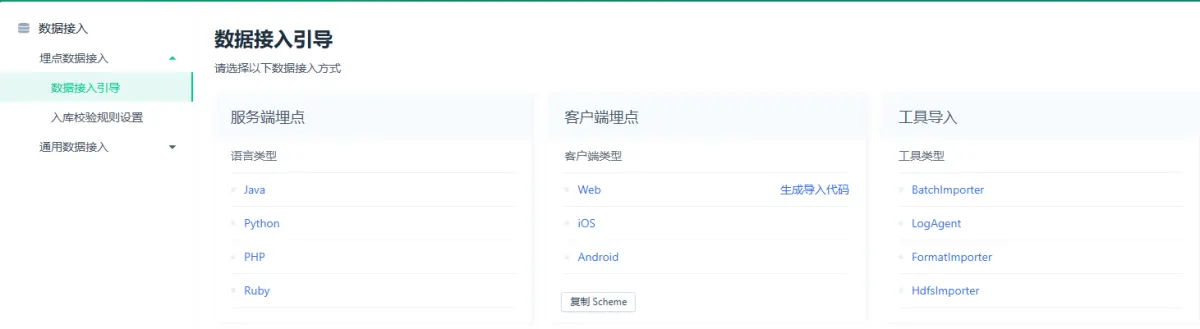
Platforms. Client-side tracking for Android, iOS, websites, H5 pages and mini programs.
-
Collection methods:
- Code tracking: precise events such as a click on the payment button.
- Visual tracking: page views and clicks collected automatically, without extra development.
- Server-side tracking and imports: SDKs for Java, Python, PHP and Ruby, and import tools for logs and existing data, to add orders and transactions to the user profile.
What Sensors Data analyzes
- Funnel analysis. Measures drop-off at each step of a path, such as registration, browsing, then order.
- Retention analysis. Day 1, day 7 and day 30 retention, to see which users stay.
- User segmentation. Groups built on behavior (for example, logged in three times in seven days) or attributes (for example, region) for targeted campaigns.
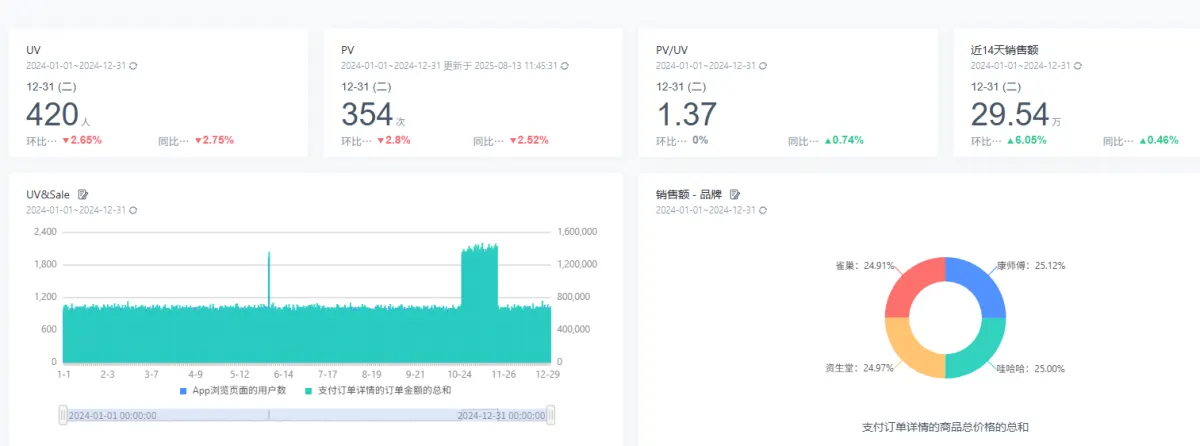
- Dashboards and alerts. Key metrics such as daily active users, gross merchandise volume (GMV) or crash rates, with alerts on anomalies.
- A/B testing. Compares versions of a screen or a feature on real user behavior before rolling one out.
Typical uses by industry
- E-commerce. Cart analysis shows why users abandon a purchase, for example shipping fees, and recommendations based on browsing history support the average order value.
- Finance. Unusual behavior patterns, such as many logins in a short time, help flag fraud, and product suggestions follow the user’s profile.
- Social and content apps. Analysis of interactions and content consumption shows which topics and features keep users engaged.
How QPSoftware can help
Sensors Data fits companies that run their own apps or mini programs in China and want to act on behavior data. QPSoftware connects analytics data with your CRM and sales figures for one view of the customer, from first visit to repeat order. Our BI dashboards and data integration work turns these sources into reports your management team can read.
For websites that get traffic from Baidu, see also Baidu Analytics; for WeChat mini programs, the official tool is WeData.
Frequently Asked Questions
What is Sensors Data used for?
Sensors Data is used to understand what users do inside an app, a website or a mini program. Teams follow funnels to find where users drop off, measure retention, build user segments for campaigns and run A/B tests. It goes deeper than traffic analytics because each event is tied to a user, so a company can follow a customer journey from the first visit to a repeat purchase.
Is Sensors Data available in English?
Sensors Data is a Chinese vendor and its product, as shown in the screenshots on this page, has a Chinese interface. Before you choose it, ask the vendor which languages the interface and the documentation support for your account, and plan for someone on your team who reads Chinese if the answer is Chinese only.
How does Sensors Data differ from Baidu Analytics?
Baidu Analytics (Baidu Tongji) focuses on website traffic: visitors, sources, Baidu search terms and conversions, with a free version. Sensors Data focuses on user behavior across apps, websites and mini programs, with event tracking tied to each user, server-side data and imports. Many companies use Baidu Tongji for marketing traffic and a behavior platform like Sensors Data for product decisions.