
WeChat Mini Programs for Luxury Brands: How They Engage Chinese Consumers
Updated on |By QPSoftware
WeChat Mini Programs for luxury brands turn WeChat into a boutique and a playground. Fendi built a mini game set in Rome, Armani let users try lipstick virtually, Sephora sold through livestreams and Longchamp let customers personalize bags. Mini programs combine brand content, loyalty and e-commerce with WeChat Pay, without an app download.
Key takeaways
- Mini games, such as Fendi’s journey through Rome, turn a brand’s story into play and prizes.
- Augmented reality lets users try products on their phone, as with Armani’s virtual lipstick try-on.
- Livestreams inside a mini program let brands sell while they entertain, as Sephora did.
- Cross-border mini programs, like Ma France’s, bring foreign products to Chinese consumers, and personalization, like Longchamp’s, makes each product unique.
When we wrote this article in 2021, the Chinese luxury goods market was valued at $55 billion and had grown by almost 50% in one year. These figures showed the opportunities open to luxury brands that learn how to captivate Chinese consumers.
WeChat Mini Programs are growing in popularity as luxury brands use them to expand their customer base and connect with Chinese consumers. Tencent’s Mini Program framework gives developers components and APIs to build services with a native app experience inside WeChat. Here are some of the top WeChat marketing campaigns and case studies your brand can learn from.

What Is Unique About WeChat Mini Programs for Luxury Brands?
WeChat mini programs let luxury brands design captivating campaigns, create eye-catching visuals and present their product ranges. In 2021, these examples showed how they help luxury brands meet their clients’ needs:
- YSL Members Club let users share selfies with their YSL items, for a chance to win discounts, deals or even the item they posed with.
- WeWallet added a feature to save e-cards, so users could organize, share and redeem gift cards, and choose among customizable designs for someone special.
- Customers can personalize a product in a mini program. Longchamp, for example, let them change the exterior parts of a bag, such as its color and patches, to create the perfect gift.
- Shoppers can order from duty-free stores in advance and pick up their purchases when they visit the city.
- Brands can drive sales by working with KOLs, with persuasive yet honest recommendations that convert organic leads.
- Editorial content in a mini program makes it easier for buyers to find a specific product.
5 Ways Luxury Brands Engage Chinese Consumers with WeChat Mini Programs
Here are five ways luxury brands around the world used WeChat mini programs to engage Chinese consumers, as of 2021.
Gamification: Fendi’s Mini Game

Fendi’s mini game blends star power and fashion.
WeChat mini games can be lucrative. In 2021, they helped businesses earn up to 10 million in monthly revenue from in-app purchases, and the platform had an estimated 400 million monthly users.
Fendi Ways to Rome takes players on a journey through Rome. At the time, it was the first WeChat game introduced by a luxury brand, with an easy interface and fun settings.
Players can choose their avatar, including Xu Weizhou, the Chinese actor, singer and songwriter who was Fendi’s brand ambassador for the Peekaboo bag in China, with his music playing in the background. They follow him through the streets of Rome and can unlock a hidden level.
The game tells Fendi’s story through Rome: its headquarters in the Palazzo della Civiltà Italiana, known as the Square Colosseum, the Spanish Steps and more.
Fendi also partnered with WeChat on the prizes: three players among the top 1,000 won a trip from Shanghai to Rome, with three nights in a high-quality hotel and a guided tour of the city.
Augmented Reality: Armani’s Virtual Lipstick Try-On
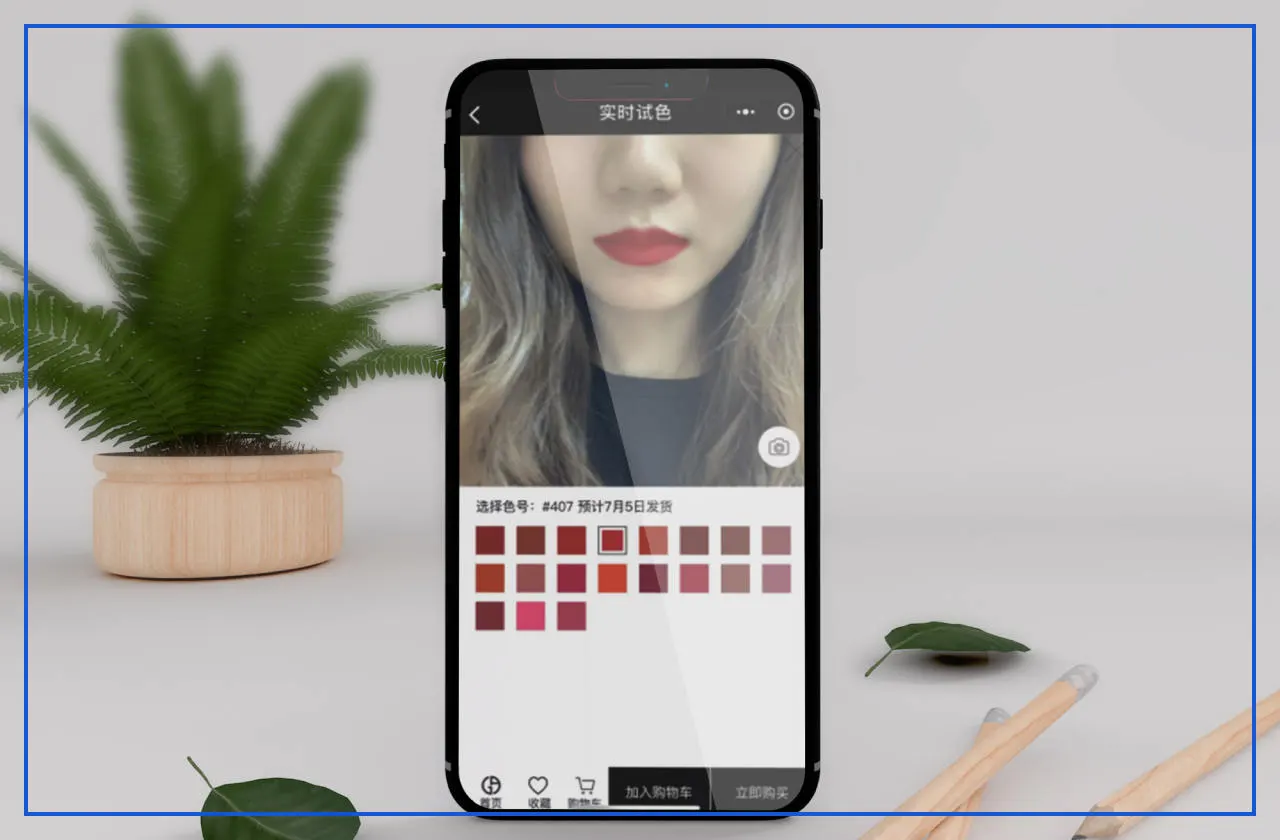
WeChat mini programs let brands develop innovative AR features. For their pilot launch, WeChat and Armani released a virtual lipstick try-on that let users test different shades with one tap.
Virtual testing was not new, as retailers like Sephora already used it, but WeChat made it available anywhere, on the user’s phone, without visiting a store.
Makeup fans upload their picture to WeChat and test different shades: the mini program identifies the lip area and applies the color. It also has viral features, such as a two-by-two test card to share with family and friends.
A mini program can integrate a virtual try-on with no extra steps, which makes it a strong tool for luxury brands. With AR, users can also try accessories, jewelry, handbags and shoes.
Livestreaming: Sephora’s E-commerce Mini Program
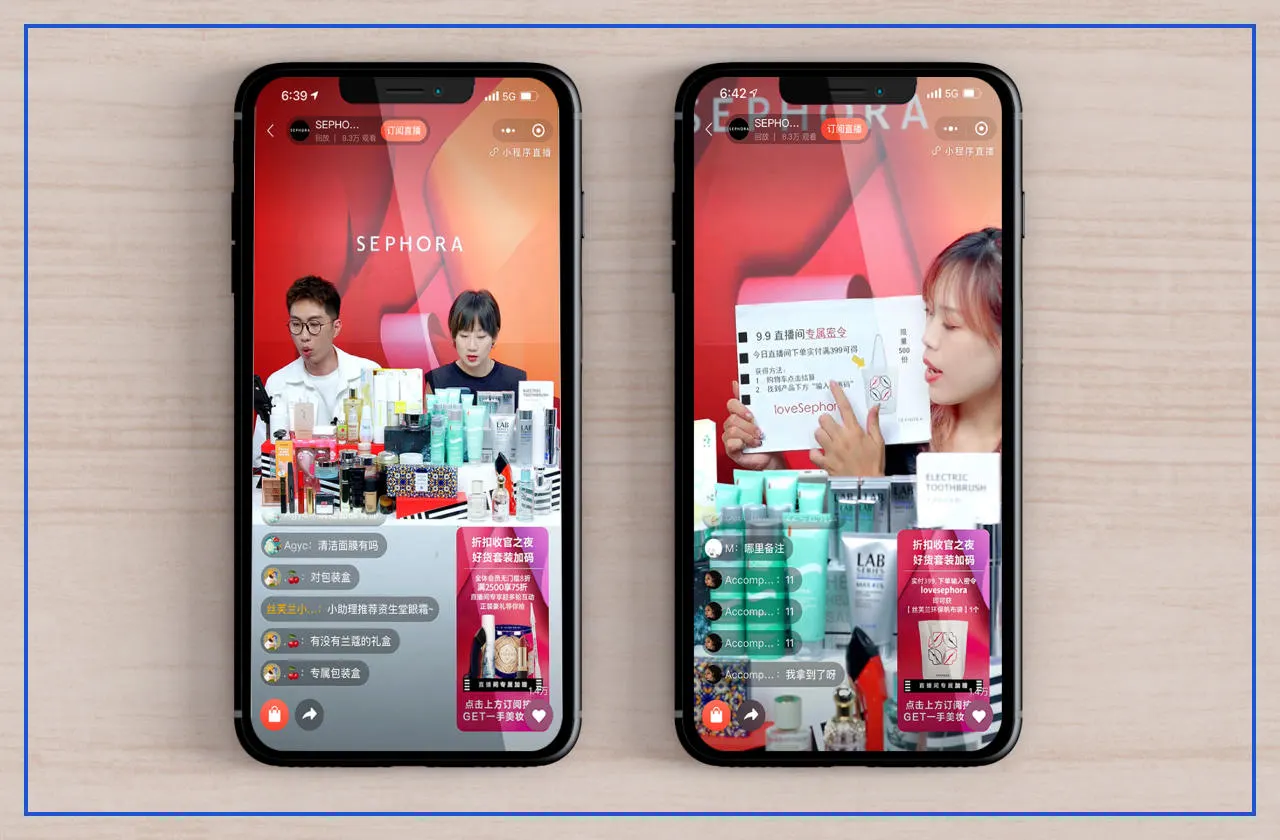
By 2021, native apps had lost significant market share in China, as more customers engaged with brands through WeChat mini programs. Sephora, known for being at the forefront of technology in China, launched its own mini program in 2018.
In 2020, Sephora’s goal for its mini program was to make it a stronger sharing channel and to increase its contribution to total sales. As China’s live streaming industry grew fast, Sephora adopted new strategies to connect with users. It worked with its community of KOLs and leading makeup artists to create quality livestreams, which give users useful information and let them connect with the brand whenever they want.
A mini program also gives users and brands several benefits:
- Users communicate with brands directly.
- The integration keeps traffic within the brand’s mini program.
- Its live streaming tools are easy to access and use.
- Live streaming videos are easy to reach for users everywhere, and they convert better.
Sephora used WeChat’s live streaming features to showcase its products, gather an audience, work with KOLs and interact directly with consumers.
Cross-Border E-commerce: Ma France’s Mini Program
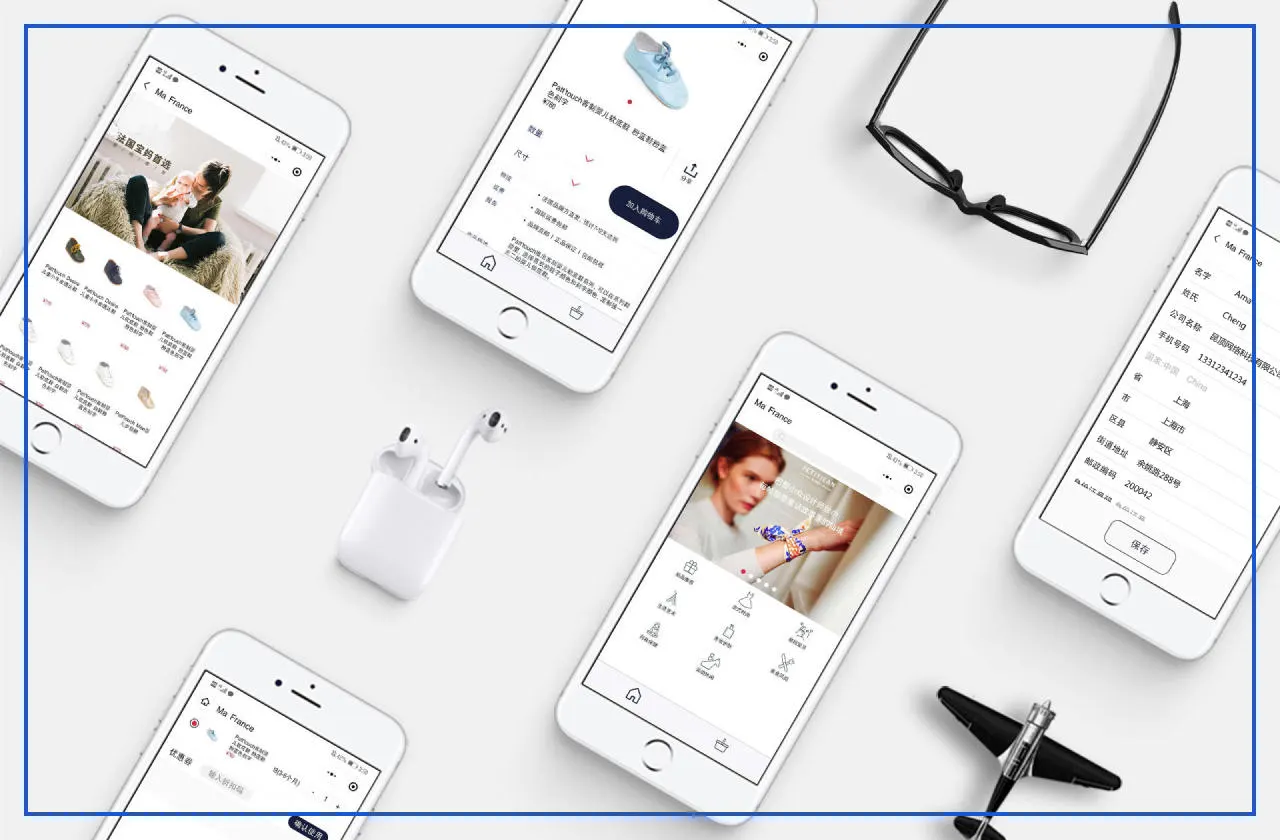
Ma France is a B2C e-commerce platform that lets French SMEs sell high-quality products made in France to Chinese consumers, and helps French companies export to China and 220 other countries. Chinese customers get access to French-made products at a more favorable price.
Ma France already used a WeChat Official Account to notify followers about new promotions and publications. It then completed its WeChat ecosystem with a fully customized mini program, built by our WeChat Mini Program developers.
Cross-border e-commerce gives Ma France and other cross-border businesses an effective way to engage the Chinese market:
- An e-commerce mini program collects behavioral data to build strong marketing campaigns.
- It also works as a CRM tool, to engage your audience and grow your customer base.
- Opening a WeChat store is an affordable investment for most brands.
- WeChat has a large audience, so posting content on the platform exposes you to many potential customers.
- Working with Chinese website localization services helps your WeChat store resonate with the local market, as our guide to localization for the Chinese market explains.
Personalization: Longchamp’s Customized Journey
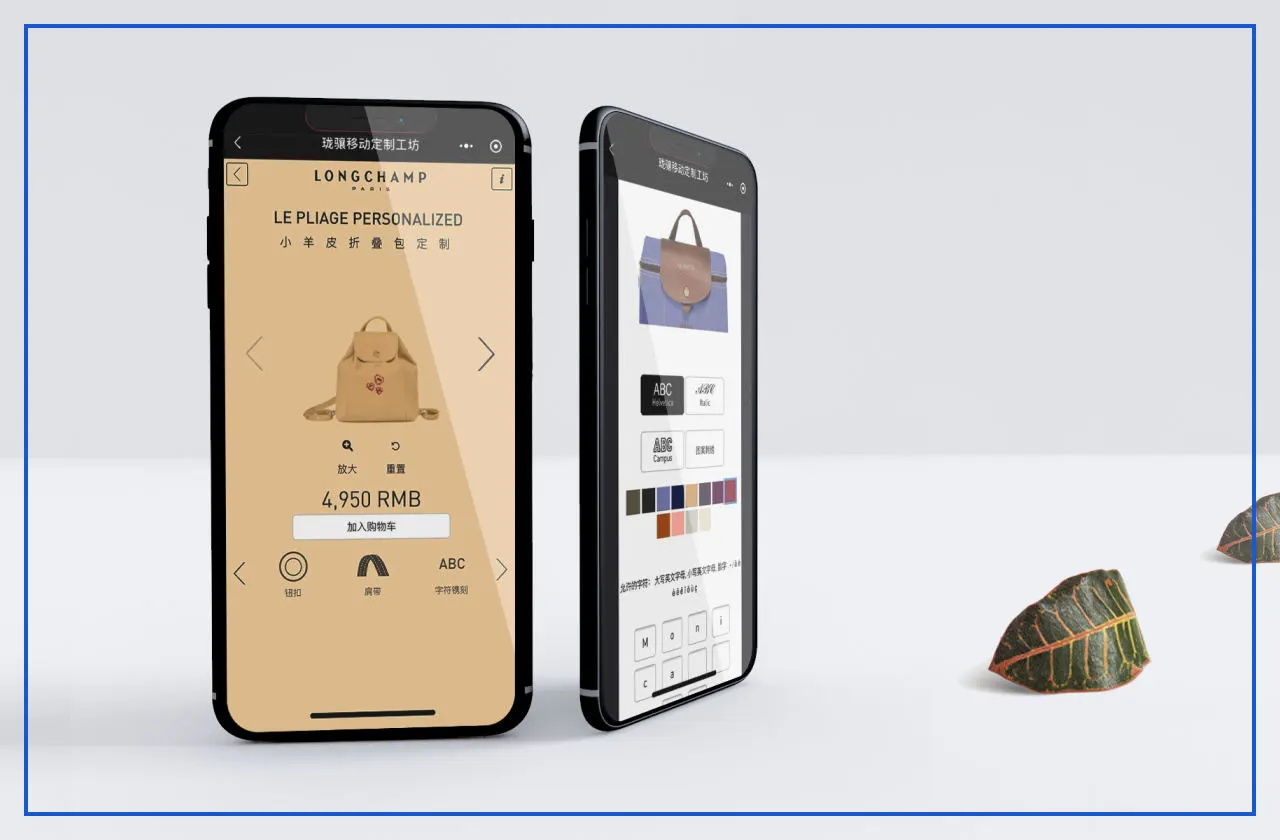
Longchamp is a leading French handbag maker that focuses on growing its brand awareness in China, where most consumers first learned of its reputation through its folding Le Pliage bags.
In early 2017, Longchamp started using WeChat mini programs to boost sales in China, one of the earliest brands to do so. It has used mini programs in different ways over the years, and set up its own customization workshop.
The brand’s mini program focuses on visual communication. Its home page is full of high-quality pictures of Longchamp products, especially bags, with bold colors, smart designs and an auto-scrolling banner in pink, black, red and yellow. These images, matched with clear calls to action, invite users to buy right away.
With its mini program, Longchamp turned its online boutique into an e-commerce platform, with product details, product categories, address forms and online payments.
What Should Luxury Brands Do Next?
In 2021, research showed that online luxury penetration in China had grown by 153% in a single year, and WeChat mini programs had changed a lot along the way. E-commerce mini programs were estimated to save up to US$830 million a year. More and more consumers engage with brands through mini programs.
For a luxury brand, the next step is to choose the experience that fits its clients: a game, a try-on, a livestream, a cross-border store or a personalization tool. Loyalty and customer data matter as much as the storefront. For Montagut, the French clothing brand, QPSoftware developed an e-commerce website and a mobile loyalty program app with a store locator, purchase history, badges and an earn-and-reward system. For LVMH Watches & Jewelry, we built MYKE, a custom CRM deployed in more than 30 stores in China, Taiwan and Hong Kong.
Consider investing in a mini program to boost your brand awareness, expand your customer reach and grow your revenue. If you want to have your WeChat Mini Program developed, our team in Shanghai can help you design and build it.
Frequently Asked Questions
What is a WeChat Mini Program?
A WeChat Mini Program is a lightweight app that runs inside WeChat, with nothing to download. Users open it from a search, a QR code, a chat or an Official Account, and pay with WeChat Pay. Luxury brands use mini programs for online boutiques, games, virtual try-ons, livestreams and loyalty programs.
What is a WeChat loyalty program?
A WeChat loyalty program lets members join, collect points and redeem rewards inside WeChat, usually through a mini program linked to the brand’s Official Account. YSL’s Members Club, for example, rewarded users who shared selfies with their YSL items. Because members are already logged in to WeChat, joining takes only a few taps.
What are good WeChat marketing case studies for luxury brands?
Fendi’s Ways to Rome mini game, Armani’s virtual lipstick try-on, Sephora’s livestreams and Longchamp’s bag personalization are well-known examples. Each uses a mini program for a different goal: storytelling, product testing, live selling or customization. Ma France, built by QPSoftware, shows how a cross-border mini program brings French products to Chinese consumers.